Sales tools change. Markets shift. Buyer behavior evolves. But certain principles in sales don’t expire.
If you look at people who build long, steady careers in sales, you’ll notice a pattern. They rely less on trends and more on fundamentals. Very often, those fundamentals come from the best sales books that focus on mindset, judgment, and human behavior rather than shortcuts.
The true value of classic sales books for professionals lies in how they shape thinking over time. Not every book ages well, but some continue to influence real conversations and real outcomes. That’s why certain titles still matter as sales books for 2026, even as the industry keeps changing.
Below are five best sales books that continue to hold value in 2026, not because they’re popular, but because their ideas still show up in real sales conversations every day.
1. Why Me, Why Not! by Chris Sharpe
This book explores a question many salespeople quietly ask themselves during their career: why does progress feel natural for some while others struggle to move forward, even when effort appears similar.
Grounded in real experience rather than theory, the book emphasizes consistency, ownership, and perspective. It focuses on how salespeople respond to rejection, slow periods, and uncertainty, rather than relying on personality or charisma.
What keeps this sales motivation book relevant is its honesty. It does not present sales as glamorous or predictable. It treats it as a discipline built through repetition, reflection, and responsibility. For anyone serious about sales career development, the lessons remain applicable well beyond any single role or market.

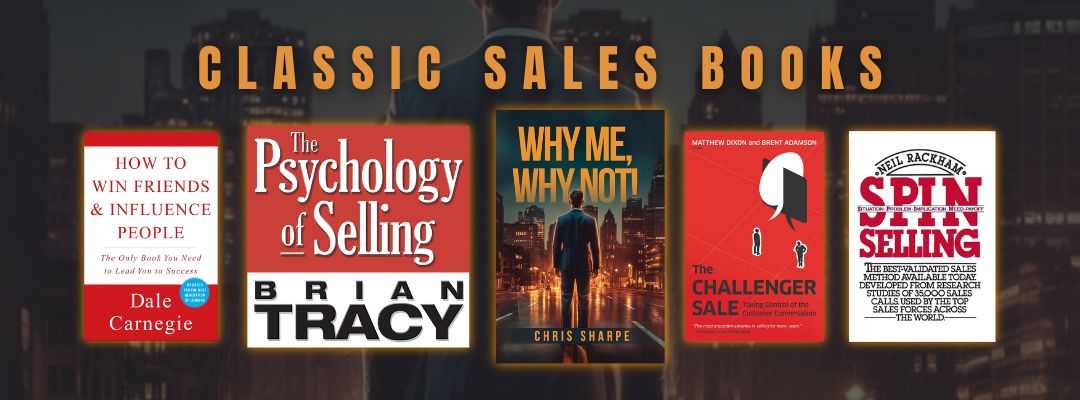
2. How to Win Friends and Influence People by Dale Carnegie
This book continues to appear on lists of best sales books to improve skills because it addresses something no tool can replace: human interaction.
Carnegie’s principles revolve around listening, empathy, and understanding how people experience conversations. In sales, those ideas never lose relevance. Buyers still respond to sincerity, and trust still develops through respect rather than pressure.
For professionals focused on long-term relationships rather than quick wins, this book remains foundational to sales strategies that prioritize connection over control.
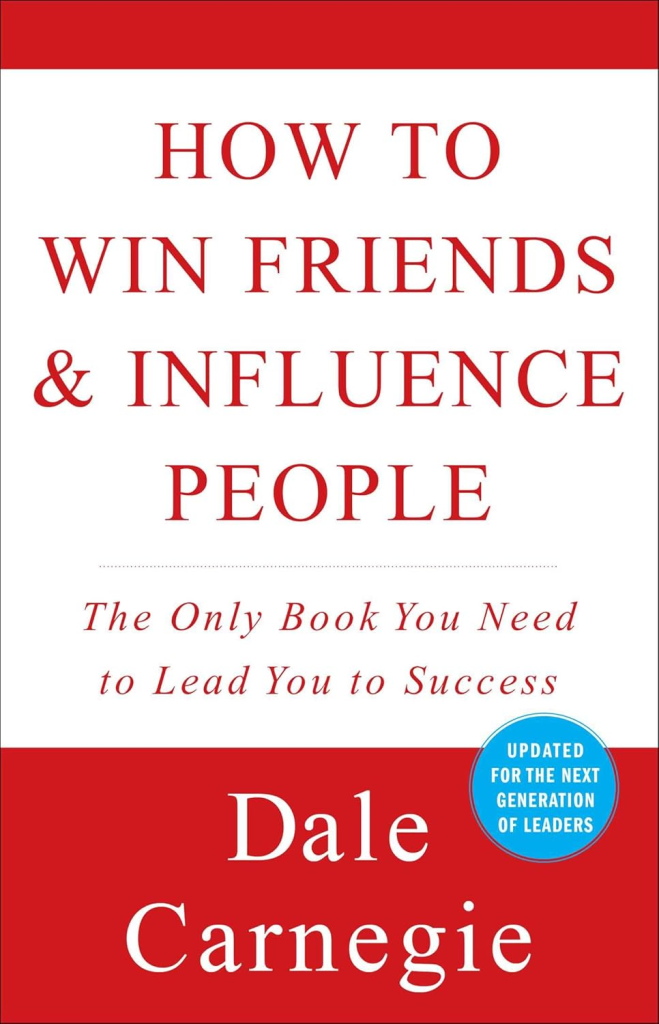
3. The Psychology of Selling by Brian Tracy
This book looks at the internal side of selling. Instead of focusing only on techniques, it examines confidence, discipline, and the habits that influence performance over time.
Tracy explains how fear often appears quietly through hesitation, avoidance, or inconsistency. The book remains relevant for professionals who realize that skill alone is not always the limiting factor.
Among sales motivation books, this title stands out because it treats mindset as something built through behavior, not hype. It continues to support long-term sales career development across industries.
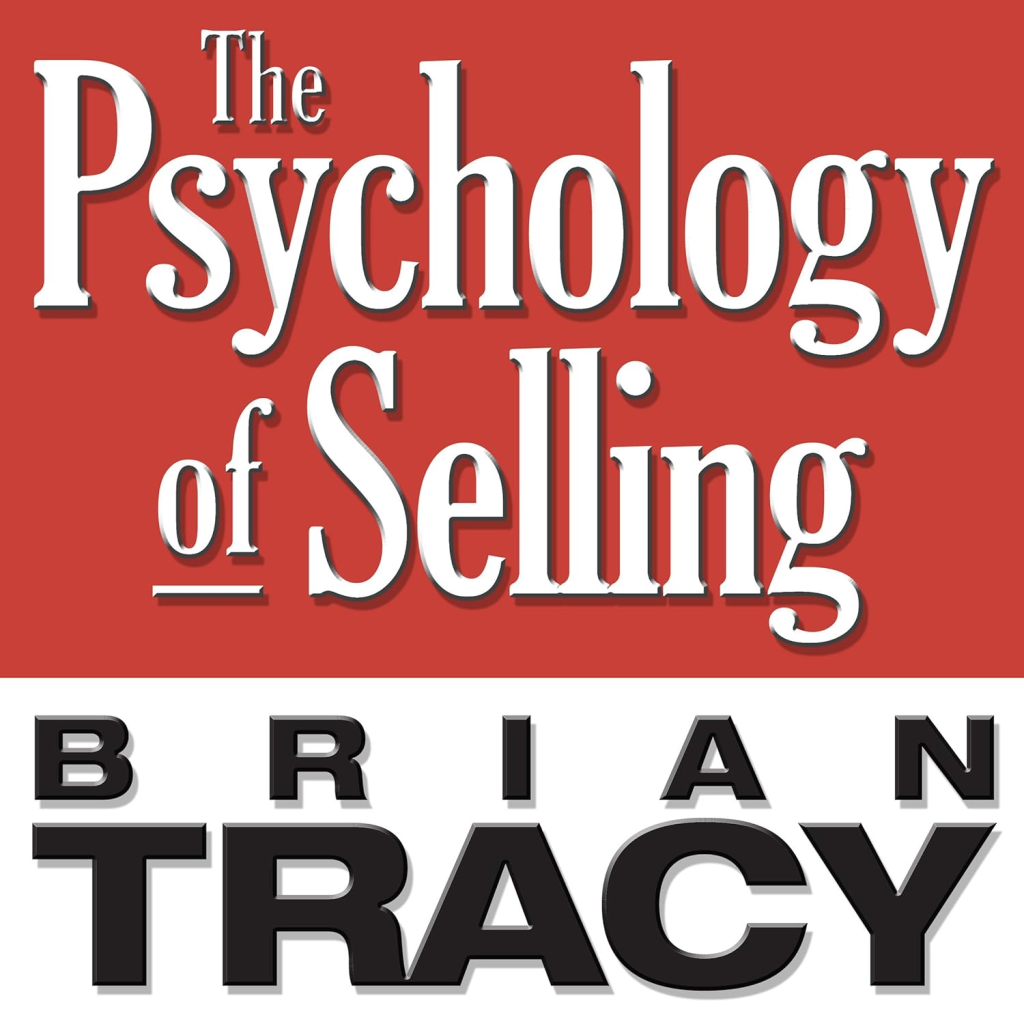
4. SPIN Selling by Neil Rackham
SPIN Selling reshaped how many people approach sales conversations, particularly in complex or B2B environments. Its core idea is simple: effective selling begins with better questions.
Based on extensive research, the book introduces a structured way to uncover needs before offering solutions. This consultative approach continues to influence modern sales strategies, especially where buying decisions involve multiple stakeholders.
As buyers expect relevance rather than persuasion, SPIN Selling remains one of the most practical sales books to improve skills in real-world conversations.
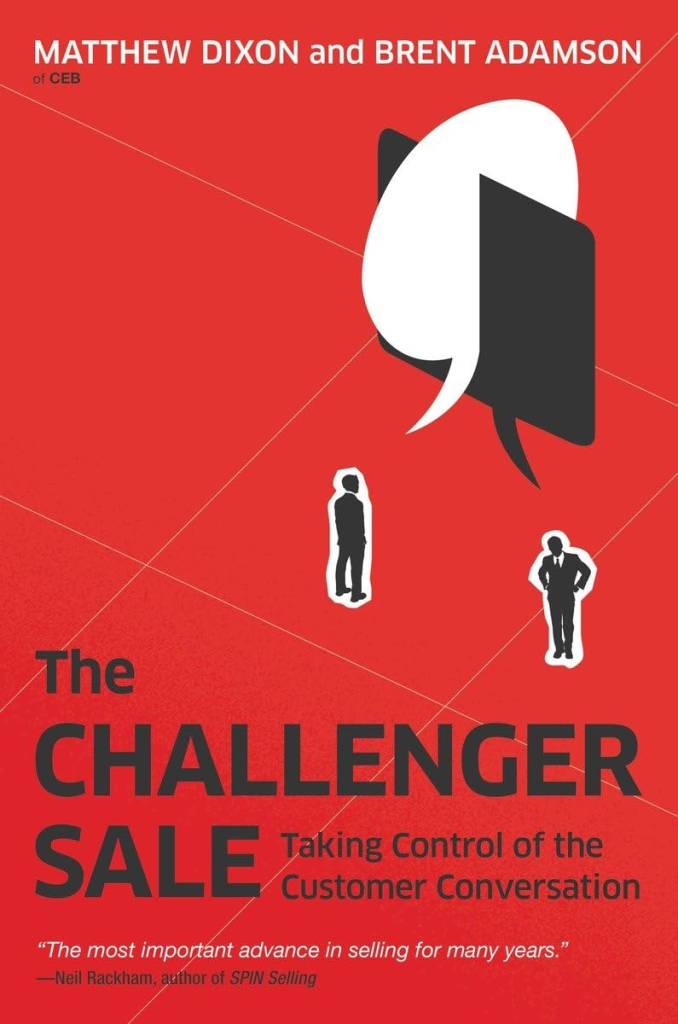
5. The Challenger Sale by Matthew Dixon & Brent Adamson
This book challenged the belief that relationship-building alone drives sales success. Instead, it highlighted how top performers often succeed by teaching customers something new and guiding discussions with clarity.
The Challenger model focuses on insight, confidence, and relevance. It encourages sales professionals to bring perspective rather than simply respond to requests.
In competitive environments, where buyers already have access to information, this approach continues to shape sales book recommendations for 2026 and beyond.
Final Thoughts
Strong sales careers are rarely built on shortcuts. They result from reflecting, practicing, and learning principles that sharpen judgment over time. The main takeaway is that the sales books reinforce timeless fundamentals, not just tactics. To help integrate these principles into your routine, consider implementing a simple calendar ritual, such as a quarterly ‘classic refresh’ week. This structured approach can ensure these valuable ideas remain top-of-mind and help transform annual good intentions into sustained behavior.
Whether your focus is sales career development, refining sales strategies, or finding books to boost sales mindset, the titles above continue to offer value because their lessons still apply in real situations.
That lasting relevance is the central reason these books should be revisited every year and are still worth reading.